


Top Protein Shaker Bottles: A B2B Buyer Specification Guide
A top protein shaker is not simply the shaker with the most accessories. For a B2B program, the best design is the one that mixes consistently, seals reliably, cleans predictably, fits the user's routine, supports the planned brand treatment, and can be validated against an approved specification.
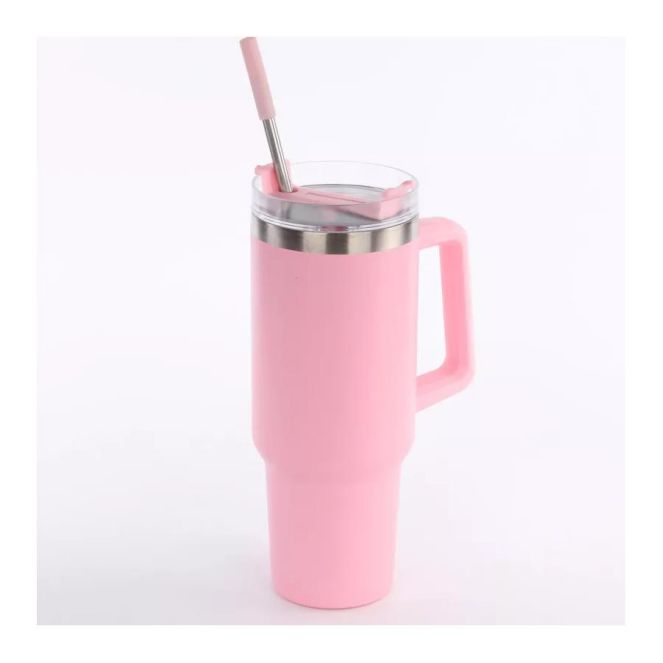
Pink 40oz insulated tumbler with handle and clear straw lid
DIZHOU currently presents a 25 oz stainless steel protein shaker bottle with a mixer ball and customization options. That product page supports the existence of the product family, but leak, material-safety, and other performance claims still need model-specific evidence before publication.
For an example of the relevant product context, review the 25 oz stainless steel protein shaker bottle before finalizing the specification.
What Makes a Top Protein Shaker for a B2B Program?
Clarify whether the shaker is for gym retail, sports clubs, supplement brands, corporate wellness, events, or another channel. Define the beverage type, powder load, mixing frequency, carrying time, and whether users are expected to add ice or other ingredients.
The use case determines capacity, opening size, mixing method, cleaning access, and the level of leak control required.
Select Capacity and Internal Geometry
Capacity should allow the intended liquid and powder volume while preserving mixing space. Specify the nominal capacity and the maximum recommended fill line separately. Evaluate the base shape, internal shoulders, and corners where powder can collect.
A sample should be tested with the actual type of powder and liquid planned for the program. Visual appearance alone cannot show mixing efficiency or residue behavior.
Compare Mixing Systems
Common systems include a loose mixer ball, a fixed internal agitator, screen elements, or powered mechanisms. Each changes the component count, noise, cleaning steps, packaging, and user instructions.
For a mixer ball design, define material, size, fit through the opening, and how it is retained in the package. Test for clumping, foam behavior, and recoverability after use.
Evaluate the Lid, Threads, and Seal
The closure is the critical interface between shaking and carrying. Check thread engagement, cap alignment, gasket compression, drinking opening, hinge or plug behavior, and whether powder reaches areas that are difficult to clean.
Use repeated open-close cycles and shaking tests in the intended orientation. Define the liquid condition, duration, movement, and pass criteria so suppliers are evaluated consistently.
Buyers can also review DIZHOU's custom drinkware production and branding services to understand the current public capability boundary.
Plan Cleaning and Odor Control
Protein residue can create odor and hygiene complaints when users cannot access the lid, seal, or body interior. Review whether the parts can be disassembled, visually inspected, reassembled correctly, and cleaned under the intended consumer instructions.
Do not label a shaker dishwasher-safe or make broad food-contact claims without applicable evidence for the body, coating, lid, gasket, and accessories.
Align Branding, Packaging, and Instructions
Define logo process, print area, color target, surface finish, component colors, packaging, included accessories, and user instructions. A clear component diagram can reduce packing and customer-service errors.
DIZHOU presents color, logo, and packaging customization. The buyer should approve the complete kit - bottle, mixer, lid, seals, decoration, instructions, and box - rather than the body alone.
Protein Shaker RFQ Checklist
Send the channel and user scenario; liquid and powder volumes; target capacity and dimensions; body, lid, seal, and mixer materials; mixing and leak test methods; cleaning and disassembly expectations; logo and color files; packaging and accessory list; target market evidence; and approved-sample criteria.
This converts a search for a top protein shaker into a measurable product-development brief.
Validate the Complete Shaker Kit
Create a kit-level checklist that covers the bottle, lid, plug or drinking cap, gasket, mixer, spare parts if included, instructions, and package. Count and inspect every component after repeated use. A small change to a seal, mixer diameter, or lid molding can alter the user experience even when the body remains unchanged.
Run mixing trials with representative powders, not only water. Record clumping, foam, opening pressure, residue, noise, and cleaning effort. The goal is not to publish a universal performance score; it is to determine whether the approved configuration completes the intended user task consistently.
Control Common Failure Modes Before Launch
Review cross-threading, incomplete cap closure, loose gaskets, trapped powder, mixer loss, difficult disassembly, sharp edges, unstable bases, and decoration wear. Translate each relevant risk into a sample check, an instruction, a packaging control, or an inspection point rather than relying on a general quality promise.
If the program targets specific markets or user groups, identify the evidence and warnings required for the actual materials and components. Keep commercial terms, certifications, and safety conclusions outside public content until approved documentation defines their scope.
The user instructions should reflect the tested configuration. Explain how to close, shake, open, disassemble, clean, dry, and reassemble the shaker without turning the instructions into unsupported guarantees. If a component cannot be cleaned or replaced as the program expects, change the design or the user promise before launch. This coordination between engineering, sourcing, packaging, and content prevents a product decision from becoming a customer-service problem.
Document how approved samples will be stored, identified, and used during production inspection. A clear retention sample helps resolve later questions about color, fit, assembly, decoration, and packaging without relying on memory or an outdated catalog image.
Conclusion
A top protein shaker for B2B buyers is a complete, testable system. Define the use case, fill volume, mixing method, closure, cleaning, material evidence, branding, package, and acceptance checks before comparing suppliers. Send DIZHOU your shaker configuration, decoration, packaging, and verification requirements to discuss a product program without relying on unsupported performance promises. send your protein shaker requirements.

