
How to Use Whipped Cream Dispenser Instructions
How to use whipped cream dispenser instructions safely begins with identifying the exact model and following its current manufacturer documentation. A public SEO article must not replace model-specific charger or gas compatibility, fill limits, pressure steps, operating sequence, depressurization, cleaning, storage, inspection, or repair instructions.
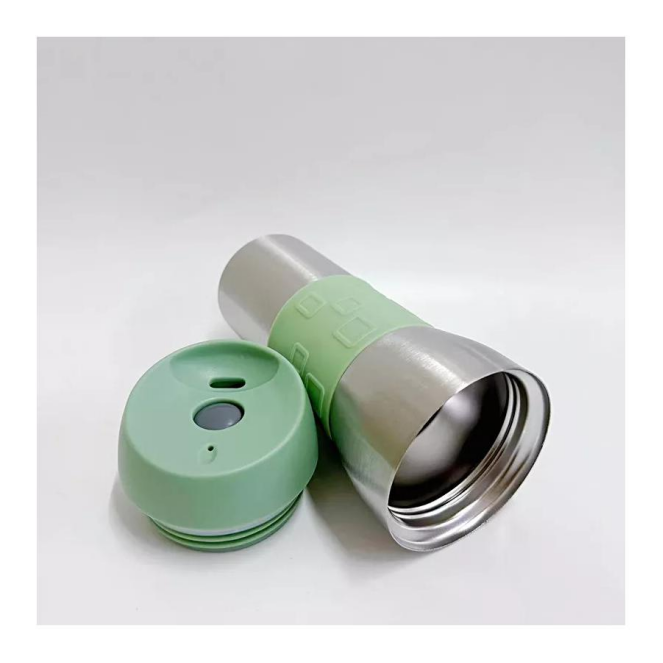
Green-lidded stainless steel double-wall coffee tumbler viewed with interior
This article explains how buyers and content teams govern those instructions; it does not provide an operating procedure. DIZHOU presents a whipped cream dispenser example, while all operational, material, performance, and safety details require exact-model evidence and authorized guidance.
Use the whipped cream dispenser product example only to identify one product context; obtain the exact current instructions for any operational decision.
How to Use Whipped Cream Dispenser Instructions: Identity and Public Boundary
Record the model, body, head, gasket, valve, holder, nozzle, accessories, capacity, approved charger or gas system, and instruction revision from suitable product documents. Confirm that the physical unit matches the record.
If the model or instruction source is missing, conflicting, or superseded, stop. Do not borrow procedures or compatibility information from a visually similar dispenser.
Keep the instruction identifier visible in internal training and at the controlled point of use. A generic page title is not sufficient configuration control.
Assign an owner to approve instruction changes and remove obsolete copies from staff, packaging, support, and content systems.
Public content can explain product categories, component names, evidence questions, and the requirement to follow current instructions. It should not reproduce or invent charging, pressure, shaking, venting, depressurization, disassembly, repair, or storage steps.
Keep model-specific operational details in the approved manufacturer documentation and authorized training process. Link claims and staff materials to the same revision.
Do not publish charger counts, gas quantities, pressure values, fill levels, temperatures, timings, or universal recipes unless the exact wording is authorized through the required evidence and review.
When a public question cannot be answered safely without operational detail, direct the user to the current manual or qualified support for the identified model.
Build Authorized Training, Checks, and Stop Rules
Define who may receive, assemble, operate, clean, inspect, store, and retire the equipment according to the organization's risk controls and applicable requirements. Keep roles separate where the program requires independent review.
Training should use the exact model, current instructions, approved accessories, and controlled environment. Record completion, revision, trainer, and retraining triggers.
This article does not set staff qualifications or legal duties. Those decisions require the operator's qualified safety, technical, and regulatory process.
Do not treat a marketing article, recipe card, or supplier conversation as a substitute for authorized instruction and training records.
Create the pre-use checklist only from the current model instructions and qualified operational review. It may identify the exact unit, required parts, visible condition, assembly status, approved consumables, and work area as directed by those sources.
Define stop rules for missing parts, damage, abnormal behavior, leakage, incorrect configuration, unreadable instructions, or any condition named by the manual or safety system.
A stop rule should route the unit to authorized support. It should not diagnose the cause or suggest an improvised repair, substitute part, or workaround.
Keep completed check records when required by the organization's operating controls and use them to trigger maintenance or content updates.
Control Recipes, Cleaning, Inspection, and Storage
Recipe, ingredient, viscosity, temperature, service, and output requirements should be owned by qualified program personnel and validated with the exact equipment instructions. Do not transfer a recipe from another model as an operating authorization.
Separate recipe variables from equipment variables in records so output changes do not lead staff to improvise pressure-device steps.
Any food-handling, storage, holding, or market requirement needs its own qualified process. A dispenser instruction alone does not establish those conclusions.
Reopen validation when the recipe, dispenser, head, seal, nozzle, charger system, instructions, or service setting changes.
Use only the exact instructions for depressurization, disassembly, cleaning agents, tools, rinsing, drying, inspection, reassembly, and storage. This article intentionally omits those operational steps.
Assign responsibility for verifying that parts are complete and the unit returns to the permitted state before storage or reuse.
Do not publish universal dishwasher, chemical, replacement, or maintenance compatibility. Components and finishes may have different limits.
Route damage, corrosion-like marks, worn seals, abnormal operation, or uncertain compatibility to the manufacturer or qualified technical support.
Control Instructions, Handoff, and RFQ Inputs
Align the product page, package, insert, recipe card, staff guide, support response, and training reference with the same model and approved instruction revision. Remove wording that expands beyond the evidence.
When an instruction changes, identify affected claims, labels, recipes, staff records, cleaning documents, package artwork, and retained samples before release.
Keep a revision log with owner, date, old and new instruction references, affected materials, decision, and next review trigger.
This closes the gap between an approved technical change and the content users actually see.
Provide the intended service setting; exact model and components; current instruction source; approved charger or gas documentation; recipe-owner inputs; training roles; inspection and stop-rule requirements; cleaning and storage governance; package; market; evidence; and change-control owners.
Ask the supplier to identify the precise documents and model scope without requesting a generic procedure that could be applied to other equipment.
Record unresolved instructions or compatibility questions as blockers rather than converting them into marketing-friendly assumptions.
This is how to use whipped cream dispenser guidance responsibly in a B2B content system while leaving actual operation to the current manual and authorized process.
For component and document change control, reference DIZHOU's manufacturing and quality-control overview while keeping operational approval with qualified personnel.
Conclusion
How to use whipped cream dispenser information safely is an instruction-governance task: identify the exact model, use current manufacturer documentation, train authorized personnel, apply approved checks and stop rules, and control every content revision. To prepare the documentation package, send your dispenser instruction-control requirements to DIZHOU with the model, components, service context, market, and evidence needs.

