


Best Reusable Water Bottles: A B2B Product Program Guide
The best reusable water bottles for a B2B program are the bottles that match a defined user scenario and a controlled specification. Buyers should not begin with color charts or consumer popularity lists. They should begin with capacity, material, wall construction, closure, carrying method, cleaning, decoration, packaging, target market, and validation needs.
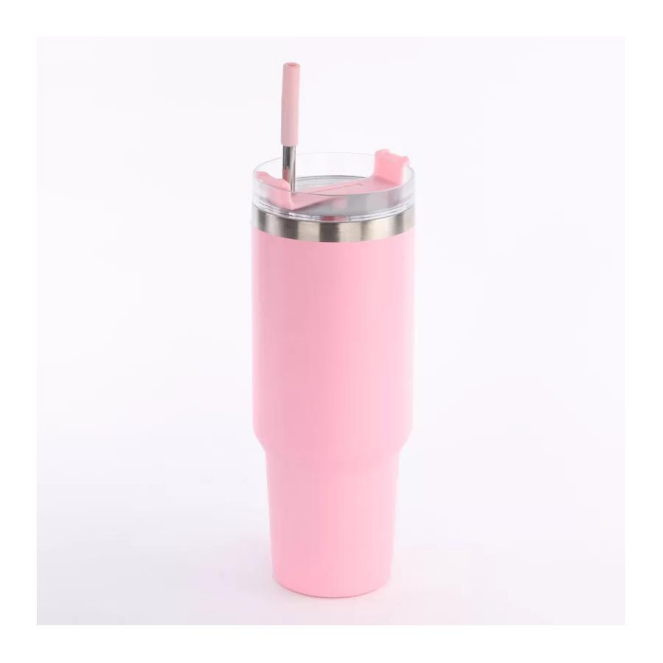
Pink 40oz stainless steel insulated tumbler with lid and straw
DIZHOU's current product range includes stainless steel water bottles, sports bottles, travel bottles, vacuum flasks, printed bottles, and smart-feature products. That range can support different programs, but specifications and claims must be verified for the selected model rather than generalized across the catalog.
For an example of the relevant product context, review the stainless steel water bottle and drinkware range before finalizing the specification.
What Defines the Best Reusable Water Bottles for a Product Program?
A commuter bottle, school bottle, fitness bottle, outdoor bottle, promotional bottle, and premium retail bottle perform different jobs. Define how long users carry the bottle, where it is stored, how often it is refilled, and whether hot liquids are within scope.
Document the buyer stage as well. A brand-launch program may prioritize differentiation and packaging, while a replenishment program may prioritize consistency with an approved specification.
Choose Capacity and Form Factor
Specify nominal and usable capacity in ounces and milliliters. Then define maximum height, diameter, opening size, weight target, grip, and cup-holder or bag constraints. A capacity label alone does not describe portability.
Ask for drawings and samples. Review balance when full, ease of filling, interior access, and whether the shape supports the intended decoration area.
Separate Single-Wall and Insulated Requirements
Single-wall stainless steel bottles can be lighter and may suit ambient beverages or promotional programs. Vacuum-insulated bottles add wall construction and process requirements but may suit temperature-control programs. The right choice depends on the product brief, not a universal hierarchy.
Do not copy an insulation claim from one model to another. Establish the exact construction and the test method for the approved SKU.
Specify the Closure and Accessories
Screw caps, straw lids, spout lids, handles, filters, and other accessories change usability, cleaning, leak risk, component count, and packaging. Define the drinking mode, opening force, gasket design, small-part concerns, and replacement policy.
Test the complete closure system. Repeated cycling, orientation testing, and cleaning trials reveal risks that a static visual inspection cannot.
Buyers can also review DIZHOU's drinkware customization and manufacturing services to understand the current public capability boundary.
Build the Evidence and Sample Plan
The product specification should identify materials, coatings, components, and the intended market. Buyers should define the documents and tests needed for the actual model. Broad claims such as food grade, BPA-free, lead-free, leak-proof, or long temperature retention require appropriate evidence and scope.
Use an approved sample as the reference for color, print, assembly, fit, finish, and functional testing. Record measurable acceptance criteria instead of subjective terms such as premium quality.
Coordinate Customization and Packaging
Branding and packaging decisions affect the bottle and the approval workflow. Define Pantone or approved color references, logo size and location, print method, surface finish, label content, instructions, inserts, box type, and shipping protection.
DIZHOU presents product development, molding, finishing, logo, color, and packaging customization. Buyers should convert those capabilities into a project-specific approval package.
Reusable Water Bottle RFQ Inputs
Provide the user scenario; capacity and dimensions; single-wall or insulated construction; material requirements; lid and accessory configuration; functional test methods; color and decoration files; packaging and labeling; target market and evidence requirements; and sample approval checkpoints.
These inputs allow suppliers to quote and sample the same product concept rather than different interpretations of a broad keyword.
Move From Concept Sample to Production Standard
Separate the sample sequence into appearance, function, and packed-unit approvals. The appearance sample confirms shape, color, finish, artwork, and print position. The function sample confirms the lid, seal, assembly, cleaning, and agreed tests. The packed-unit sample confirms accessories, labels, instructions, inserts, retail box, and shipping protection.
Freeze the approved standard with dated drawings, color references, artwork files, component list, test methods, photographs, and signed sample identification. If a component changes later, assess whether it affects fit, material evidence, user instructions, packing, or the approved claim boundary before accepting the change.
Avoid Reusable-Bottle Program Mistakes
A broad request such as 'premium reusable bottle' invites suppliers to quote different constructions. Another common error is selecting capacity without maximum dimensions, approving a logo without checking curvature, or treating a catalog certificate list as evidence for every model. These gaps create comparison and quality-control problems later.
Use objective language: approved material, usable volume, dimensions, closure configuration, color tolerance, artwork position, defined test method, and packaging standard. Subjective adjectives can remain in marketing only after the product itself has a measurable specification.
Before release, connect the product specification to the inspection plan. Identify which measurements are checked on incoming components, during assembly, on finished bottles, and on packed cartons. Define the sampling approach with the quality team instead of assuming that one pre-production sample represents every production unit. Keep revision control on drawings, artwork, color references, component lists, test methods, and instructions so that an outdated file cannot become the production reference.
Conclusion
The best reusable water bottles are defined by fit to the user, the specification, and the verification plan. A B2B buyer should compare complete product systems - bottle, closure, finish, decoration, package, and evidence - under the same acceptance criteria. Share your application, dimensions, materials, lid, branding, packaging, and evidence needs with DIZHOU when preparing a reusable bottle program. send your reusable bottle project requirements.

