


Best Mug to Drink Coffee: B2B Coffee Mug Selection Guide
The best mug to drink coffee is the mug that fits a defined serving pattern, user environment, temperature expectation, closure, cleaning routine, brand treatment, and packaging plan. A B2B buyer should not select a mug from a consumer popularity list alone. The product has to work as a complete system and remain reproducible from sample approval through production.
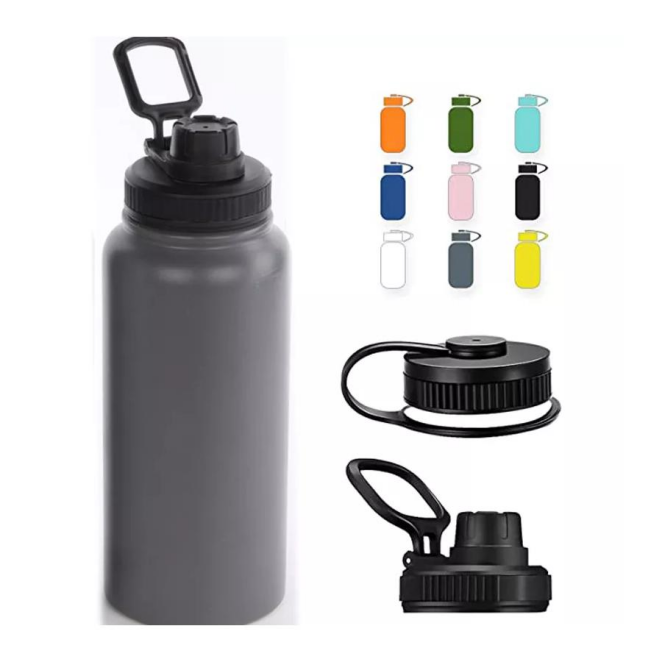
Gray 20oz double-walled stainless steel water bottle with spare sport lids and color options
DIZHOU's current catalog includes stainless steel coffee and travel mugs in several capacities and constructions. Those pages support the product-family context, while material layers, insulation, leak resistance, and other claims must be confirmed for the exact approved model.
For an example of the relevant product context, review the 450 ml coffee and travel mug example before finalizing the specification.
What Defines the Best Mug to Drink Coffee for a B2B Program?
Start with the channel: retail, office, hospitality, gifting, subscription, or promotional use. Then define the beverage volume, drinking period, carrying behavior, cleaning access, and whether the mug will be used mainly at a desk, in a vehicle, or while walking.
A mug designed for open desk use may prioritize rim comfort and stability. A commuter format may prioritize a closure, grip, bag behavior, and cup-holder fit. These are different product tasks even when both hold coffee.
Choose Capacity and Body Format
Specify nominal and usable capacity in ounces and milliliters. Confirm height, diameter, base stability, opening size, full weight, and clearance under the intended coffee equipment. A capacity number does not describe the user's grip or the mug's packed volume.
Review samples with the planned fill. Check balance, drinking angle, visibility into the interior, and whether the body shape leaves a practical decoration area without distorting artwork.
Separate Material From Construction
Stainless steel grade, inner and outer layers, vacuum construction, surface finish, and closure design are separate variables. A material name alone does not establish temperature performance, taste, durability, or cleaning behavior.
Ask for the approved material specification and model construction. When insulation matters, use one test method with defined fill level, starting temperature, ambient condition, lid state, duration, and measurement points.
Evaluate the Drinking Opening and Lid
The lid affects drinking flow, aroma, splash control, heat loss, residue, and cleaning. Inspect threads, seals, vents, plugs, sliding parts, and the way components are reassembled after washing.
Cycle the closure repeatedly and test the mug in the intended orientation. Do not label a product leak-proof or spill-proof without a defined method and evidence for the approved configuration.
Buyers can also review DIZHOU's custom drinkware manufacturing services to understand the current public capability boundary.
Review Cleaning and Repeated Use
Coffee oils, milk, and sweeteners can expose residue and odor issues that water-only tests miss. Use representative beverages during sample review. Disassemble the lid, inspect hidden surfaces, and confirm that users can dry and reassemble every part correctly.
Cleaning instructions must match the actual coating, body, lid, gasket, and accessories. Dishwasher or microwave claims require applicable evidence and should not be assumed from the product category.
Coordinate Branding, Packaging, and Instructions
Define color references, logo size and position, decoration method, surface finish, label content, user instructions, box, inserts, and shipping protection before final sample approval. Check the decorated packed unit, not only the blank body.
DIZHOU presents product development, finishing, branding, and packaging customization. Buyers should convert the public capability into a project-specific approval record with dated files and retained samples.
Coffee Mug RFQ and Sample Checklist
Provide the serving environment; beverage and use period; usable capacity and dimensions; body and lid construction; material requirements; insulation and closure tests; cleaning expectations; color and artwork; packaging and labels; target-market evidence; and approval checkpoints.
Record the complete approved kit and the inspection method so purchasing, quality, and the supplier use the same standard during production.
Run a Coffee-Specific Sample Protocol
Prepare the same coffee volume at the same starting temperature for every sample. Record fill time, full weight, external temperature, drinking flow, lid residue, aroma retention, and the effort needed to disassemble, clean, dry, and reassemble the mug. If users add milk or sweetener, include representative use because water-only tests can miss oil, odor, and residue behavior.
Separate thermal testing from user-experience testing. The temperature method should define fill level, ambient condition, lid state, duration, and measurement points. The user protocol should define carrying, opening, drinking, and cleaning. Keeping the methods separate makes it easier to identify whether a result comes from body construction, closure design, or user handling.
Control Changes After Sample Approval
Retain a dated complete sample with the exact body, lid, gasket, coating, artwork, instructions, accessories, and package. Link it to approved drawings, color references, files, test methods, and component lists. A catalog photograph is not a production standard.
If a lid, seal, material, finish, decoration process, box, or instruction changes, review the affected function, evidence, and customer promise before accepting the substitution. This revision control is especially important when several coffee or travel mug models share similar names but use different constructions.
Prepare the Launch Handoff
Before production release, make sure product, sourcing, quality, packaging, and content teams hold the same approved information. The handoff should identify the exact model, capacity, dimensions, body and lid materials, closure version, finish, artwork, package, test methods, evidence boundaries, and user instructions. Assign owners for approving changes and for updating public descriptions when the product changes. This prevents a later marketing edit or component substitution from creating a claim that the approved sample and evidence do not support.
Conclusion
The best mug to drink coffee is the product that completes a specific user task and passes a controlled review of capacity, construction, lid, cleaning, decoration, package, and evidence. Define those inputs before comparing suppliers. Share your mug use case, dimensions, closure, branding, packaging, test methods, and target-market requirements when you send your coffee mug project requirements to DIZHOU.

