


Best Hiking Water Bottle: A B2B Outdoor Program Guide
The best hiking water bottle is the bottle that fits the route, user, carrying system, refill pattern, climate, and product brief. A consumer list may emphasize brand popularity or one feature, but a B2B buyer must balance capacity, weight, durability, closure behavior, cleaning, decoration, packaging, and evidence.
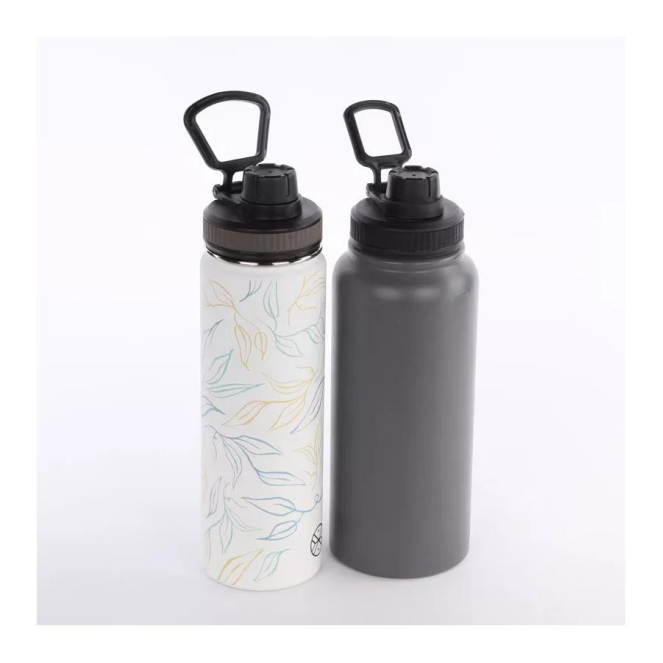
Two 20oz double-walled stainless steel water bottles with sport spout lids in leaf print and gray
DIZHOU's current range includes stainless steel sports, camping, travel, and insulated bottles, including a camping-oriented 750 ml product page. These pages establish available product families, while exact materials, construction, accessories, and performance must be confirmed for the chosen model.
For an example of the relevant product context, review the stainless steel water bottle product range before finalizing the specification.
What Defines the Best Hiking Water Bottle for a Product Program?
Separate day hiking, multi-day trekking, camping, cycling, commuting, and general outdoor retail. Record typical trip length, refill access, beverage type, temperature range, bag or cage placement, and the expected balance between weight and insulation.
A heavy insulated bottle may suit a short cold-weather program but not a weight-sensitive route. A lighter bottle may suit frequent refills but offer a different user proposition.
Choose Capacity Without Ignoring Carry Weight
Specify nominal and usable capacity, then calculate the full carried weight for the intended fill. Check bottle height, diameter, grip, pack-pocket fit, and whether the product must fit a vehicle or bicycle holder.
Review the shape while wearing gloves or carrying other gear. A bottle that looks compact on a table may be awkward to retrieve from a pack.
Decide Whether Insulation Is Necessary
Vacuum insulation can support temperature-control programs but adds construction and weight. Single-wall stainless steel may suit other programs. The decision should follow the route, climate, beverage, and retail position rather than a blanket preference.
If insulation is required, agree on a test method that defines starting temperature, fill level, ambient condition, duration, lid state, and measurement points. Avoid copying a performance number from another SKU.
Evaluate the Lid and Carrying Interface
Screw caps, spouts, straws, handles, loops, and filters change drinking speed, leak risk, cleaning, and how the bottle connects to a pack. Define whether the user drinks while moving and whether one-handed access matters.
Test repeated opening, cap retention, gasket fit, orientation, movement, and contamination by dust or powder. Inspect the lid after cleaning and reassembly.
Buyers can also review DIZHOU's custom drinkware development and finishing to understand the current public capability boundary.
Consider Finish, Durability, and Field Handling
Outdoor handling may expose the bottle to abrasion, drops, dirt, and temperature changes. Define the surface finish, decoration method, acceptable cosmetic change, and the functional tests relevant to the intended use.
Do not promise a bottle is indestructible, rust-proof, or leak-proof without a defined test and product-specific evidence. Use measurable acceptance language in the specification.
Plan Retail and Promotional Execution
Outdoor bottles often require branding, color systems, labels, hangtags, instructions, inserts, or gift packaging. Align the decoration area with the bottle shape and the pack-out with transport protection.
DIZHOU presents custom colors, logos, finishes, and packaging. Buyers should approve files, physical samples, component colors, and the complete packed unit.
Hiking Bottle RFQ Checklist
Provide the outdoor scenario; refill access and carrying method; usable capacity and maximum dimensions; single-wall or insulated construction; material requirements; lid and carrying components; insulation, leak, abrasion, and drop test methods where relevant; branding and color files; packaging; target-market evidence; and sample approval criteria.
These inputs make best hiking water bottle comparisons relevant to the actual program.
Use a Field-Oriented Sample Protocol
Load the sample as the user would carry it and repeat retrieval, drinking, closure, and packing actions. Check the bottle with wet hands or gloves when relevant. Observe cap retention, noise, balance, pocket fit, and whether the finish becomes slippery or visibly damaged under the planned use conditions.
A field protocol should also include cleaning after realistic beverages and exposure to dust or soil. For insulated products, run the agreed thermal method separately so field handling and insulation are not mixed into one subjective judgment. Photograph conditions and record pass criteria.
Avoid Outdoor-Bottle Specification Gaps
Do not treat 'hiking' as a complete specification. Without route length, refill access, carried weight, climate, attachment method, and drinking behavior, suppliers can propose very different products. Also avoid combining maximum capacity, minimum weight, extreme durability, and long insulation into one brief without testing the trade-offs.
Approve the complete product and packed unit. Confirm that handles, loops, lids, straws, seals, coatings, graphics, labels, and package components match the tested sample. If the product changes, reopen only the affected checks rather than accepting the substitution silently.
Plan the consumer information at the same time as the product. Capacity units, material wording, cleaning limits, closure instructions, and any temperature-use warnings should match the approved configuration and target market. Avoid scenic outdoor copy that implies safety, durability, or performance beyond the test record. A restrained claim with a clear use case is more useful to a buyer than an extreme promise that cannot be applied consistently across models.
Keep a retained packed sample and a dated specification after approval. It provides a practical reference for checking later color, component, closure, print, instruction, and packaging changes.
Conclusion
The best hiking water bottle is the model that fits the route, carried weight, refill pattern, closure, cleaning, durability plan, brand execution, and evidence requirements. Compare samples under one specification rather than relying on broad rankings. Share the intended outdoor use, dimensions, lid, tests, decoration, packaging, and market requirements with DIZHOU when preparing a hiking bottle program. send your outdoor bottle project requirements.

