
Best Gym Shaker Bottle: B2B User-Journey Guide
The best gym shaker bottle is the complete bottle system that fits the journey from preparation to transport, mixing, drinking, locker or bag storage, cleaning, drying, and reuse. A consumer ranking cannot replace a program-specific capacity, lid, mixer, component, package, and evidence brief.
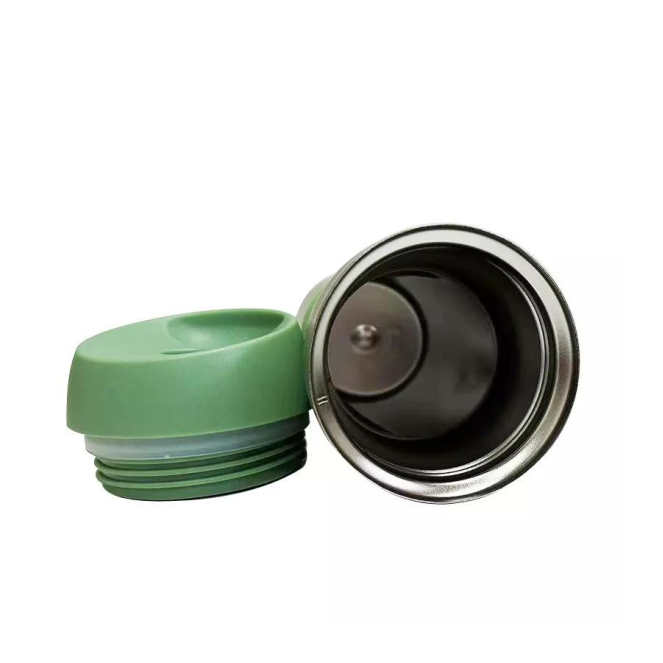
Green lid and stainless interior detail of a double-wall coffee tumbler
This guide is organized around the gym workflow, distinct from material and insulation articles. DIZHOU presents a stainless steel protein shaker example, while every specification and performance statement remains tied to the exact model.
Use the stainless steel protein shaker product example as one gym-program candidate, then validate its complete journey and model-level evidence.
What Defines the Best Gym Shaker Bottle?
Map where ingredients are added, when the liquid is mixed, how long the bottle is carried, how it is opened, where it is stored, and who cleans it. Identify whether the primary task is pre-mixing, on-site mixing, or post-session use.
Set required gates for fit, component completeness, closure, mixing, cleaning, and evidence before scoring appearance or extra features.
Include product, sourcing, quality, packaging, content, and support owners in the journey map. Each team sees a different failure point, from component substitutions and artwork mistakes to unclear cleaning instructions and unresolved user questions.
Define which scenarios are outside the program, such as unapproved beverages, carrying positions, temperatures, or storage periods. Visible exclusions protect the selected product from being described as suitable for every gym routine.
Choose Capacity Around the Actual Routine
Record intended liquid and powder volume, mixing headspace, nominal and usable capacity, dimensions, full weight, grip, and refill access. More capacity can add weight and package space.
Test the filled sample through the planned workout and travel sequence. Do not approve capacity from an empty bottle or label alone.
Evaluate Mixing at the Point of Use
Use the representative powder and liquid, preparation timing, mixer, fill, and motion defined by the program. Observe clumping, foam, residue, noise, component movement, and cleaning effort.
Keep the result tied to the tested recipe and method. Do not promise universal mixing across powders, liquids, temperatures, or fill levels.
Repeat the sequence after the bottle has been carried and after permitted cleaning cycles when those stages matter to the program. Record whether lid assembly, gasket position, mixer presence, or residual moisture changed the observation.
Separate required acceptance criteria from subjective texture preferences. If a recipe owner changes the powder, ratio, or preparation method, reopen the relevant mixing validation instead of treating the earlier result as transferable.
Treat Closure as a Carrying Decision
Define whether the bottle is intended for upright hand, holder, side pocket, gym bag, or another position. Record lid, cap, gasket, threads, drinking opening, vent, and handle or loop.
Test the approved orientation, fill, movement, and duration. Avoid unrestricted leak-proof or bag-safe language without suitable model-level evidence.
When the workflow reaches branding and kit configuration, consult DIZHOU's product development and customization services and record the approved scope.
Check One-Handed and Mid-Workout Use
Observe grip, opening, drinking angle, flow, cap parking, set-down stability, and reclosure under the approved user protocol. Sweat, gloves, motion, or limited surfaces may change the interaction.
Translate observations into measurable requirements or instructions rather than claiming the design is ergonomic for every user.
Plan Locker, Bag, and Equipment Fit
Measure height, diameter, widest point, handle envelope, and lid projection against documented bag pockets, holders, shelves, or lockers. Record clearance and movement.
Review odor or residue risk only through the approved use and cleaning plan. Do not recommend leaving a filled or closed bottle outside its instructions.
Make Cleaning Part of the Gym Journey
Test permitted disassembly, access to the body, lid, gasket, mixer, straw or spout, draining, drying, and reassembly after representative use. Confirm where cleaning occurs.
Use the exact model care instructions and state dishwasher compatibility only when they explicitly support it.
Control Components and Replacement Questions
List every included lid, gasket, mixer, straw, storage part, handle, and accessory. Approve component identity, material, packing position, instruction, and retained sample.
Do not claim compatibility for a visually similar replacement. A changed seal, lid, or mixer can affect closure, mixing, cleaning, and evidence.
Align Branding and the Packed Gym Kit
Define logo visibility in hand and bag positions, finish, color, labels, instructions, inserts, accessories, and box. Approve the complete decorated and packed unit.
If the program has club, event, retail, or supplement-brand variants, control artwork and component differences through a variant matrix.
Give every variant a clear body, lid, mixer, artwork, instruction, and package reference. A color or campaign change should not silently introduce a different closure or accessory set under the same product description.
Review the unboxing and first-use information with someone unfamiliar with the project. Missing mixer parts, unclear assembly, or conflicting capacity and care statements should be corrected before launch.
Prepare a Gym Shaker RFQ
Provide the gym journey; beverage and powder; usable capacity and headspace; body, lid, seal, mixer, and accessories; carrying orientation; mixing and closure methods; care; artwork; package; market; evidence; and sample criteria.
This identifies the best gym shaker bottle for the defined routine without repeating a general shaker buyer guide. Record the approved journey, rejected variants, responsible owners, and the change triggers that require new testing.
Conclusion
The best gym shaker bottle is the configuration that completes the real preparation, carrying, mixing, drinking, storage, cleaning, and reuse journey under controlled requirements. To compare candidates, send your gym shaker program requirements to DIZHOU with the routine, capacity, components, tests, artwork, package, market, and evidence plan.

