


Best Coffee Travel Cup: Multi-Beverage Buyer Guide
The best coffee travel cup for a B2B program should be selected around the planned beverage system, not only the commute. Coffee, tea, and cold drinks can create different flow, aroma, residue, temperature, lid, cleaning, and content requirements even when they use the same body.
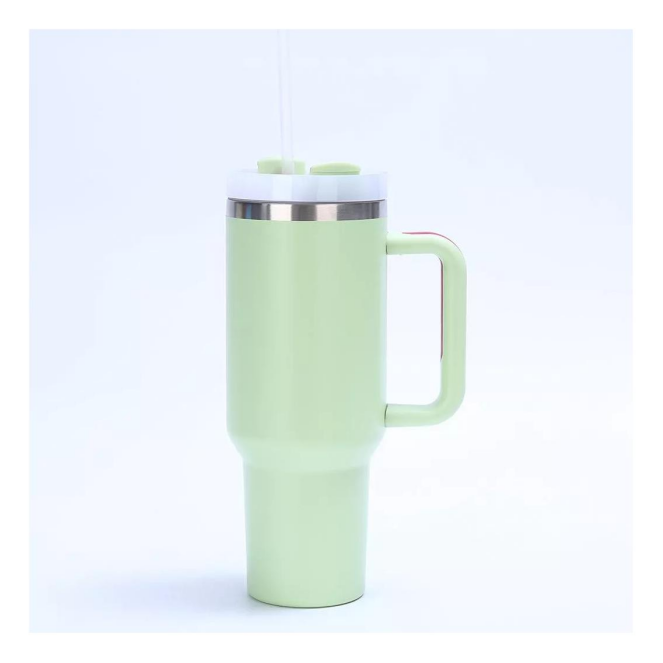
Light green 40oz insulated travel tumbler with handle and straw lid
This beverage-led angle is distinct from a general commuter mug guide. DIZHOU's stainless steel drinkware category provides format context, while capacity, materials, insulation, closure, beverage compatibility, and performance remain model-specific.
Use the stainless steel cup and drinkware category to identify candidate formats, then validate each supported beverage on the selected model.
What Defines the Best Coffee Travel Cup?
Name the primary and secondary beverages, serving volume, preparation equipment, drinking interval, lid position, carrying environment, cleaning routine, channel, and target market. These choices establish the sample protocol.
Avoid designing one cup around conflicting promises. If the program expects multiple beverages, define which experience is primary and which trade-offs are accepted.
Start With Coffee Flow and Aroma Residue
Test representative coffee under the intended fill, lid, drinking angle, and time window. Observe flow, venting, rim or opening experience, residue paths, aroma retention, and cleaning effort.
If milk, sweetener, or flavored coffee is within scope, include representative use. Water-only tests can miss oils, residue, odor, and lid-cleaning behavior.
Evaluate Tea as a Separate Use Case
Tea can introduce leaves, bags, infusers, different preparation equipment, and longer contact with the lid or body. Define whether these elements are part of the approved program rather than assuming coffee validation covers tea.
If an infuser or filter is proposed, identify the material, dimensions, fit, removal, cleaning, package, and instructions. Do not imply compatibility without a tested configuration.
Check Cold-Drink and Ice Requirements
Cold beverages can change condensation expectations, ice clearance, straw use, flavor residue, and drinking duration. Define the actual liquid and accessories used in the sample review.
Do not turn one cold test into a universal temperature-retention statement. Keep conditions, duration, fill, lid, and measurement linked to the exact cup.
When beverage requirements reach accessories and packaging, consult DIZHOU's product development and customization services and build project-specific approvals.
Compare Lid Modes by Beverage
A sip opening, slider, plug, straw, open rim, or pouring lid changes flow, aroma, splash, residue, and cleaning. Map the preferred mode for each supported beverage.
Cycle and clean the complete lid and document the supported carrying orientation. Avoid unrestricted leak-proof or bag-safe language without suitable evidence.
Set Capacity and Geometry Around Serving Behavior
Record usable volume, height, base, opening, full weight, equipment clearance, holder fit, grip, and bag position. The cup must fit preparation and drinking as well as transport.
A high-capacity option can serve a longer interval but add weight and package volume. Select the trade-off for the intended beverage program.
Run Separate Thermal and Sensory Observations
Use a controlled thermal method for temperature behavior and a separate use protocol for flow, aroma, residue, grip, and cleaning. This helps identify whether an issue comes from construction, lid, beverage, or handling.
Do not publish food-safety, taste, or universal performance conclusions from the observations. Keep them inside the approved method and model evidence.
Build a Beverage Decision Matrix
Create one row for each supported beverage and record preparation method, intended serving volume, lid mode, accessories, thermal method, use observations, residue and cleaning protocol, evidence, public wording, and prohibited extensions. Leave a beverage unsupported until its row is complete.
The matrix helps product, quality, packaging, and content teams see where one cup configuration serves several beverages and where a different lid, accessory, instruction, or product is needed.
Control Cross-Beverage Claims and Variants
If the same body is sold with different lids, straws, filters, coatings, or packages, define which beverage observations apply to each variant. Do not copy a coffee result to tea or a cold-drink result to another capacity without review.
When a recipe, lid, accessory, cleaning instruction, or public claim changes, reopen only the affected beverage and model rows. This keeps the article useful without promising universal beverage compatibility.
Plan Cleaning for Beverage Changeover
Review body access, lid disassembly, seals, straws or infusers, draining, drying, and reassembly between beverage types. Define whether the same cup is expected to change beverages during ordinary use.
Use the exact model instructions and avoid assumed dishwasher compatibility. Persistent residue or component damage should be routed to product-specific support.
Align Decoration, Package, and Beverage Claims
Artwork and package language should reflect the supported primary use without promising every beverage outcome. Approve the complete decorated sample with its lid, accessories, instructions, labels, and box.
Keep a beverage-claim matrix with model, method, evidence, wording, owner, and prohibited extensions. Review it when any component or public statement changes.
Prepare a Multi-Beverage Travel Cup RFQ
Provide the primary and secondary beverages; capacity and geometry; body and lid construction; sip, straw, filter, or infuser configuration; thermal and use methods; cleaning; artwork; package; market; evidence; and sample criteria.
This identifies the best coffee travel cup for the program without duplicating a general commuter journey article. Record unsupported beverages explicitly so sales and content teams do not broaden the approved scope later without a new model-specific review.
Conclusion
The best coffee travel cup is the exact cup, lid, accessory, care, decoration, and package system that performs the defined coffee, tea, or cold-drink tasks under controlled methods. To compare beverage-led configurations, send your coffee travel cup requirements to DIZHOU with the beverages, capacity, lid modes, tests, artwork, package, market, and evidence plan.

