


Best Coffee Mugs for Branded B2B Programs: Buyer Guide
The best coffee mugs for a branded B2B program are the mugs that express the intended position while working in the user's actual drinking setting. A retail line, corporate gift, office program, cafe merchandise range, and promotional campaign can all need different capacities, handles, lids, surfaces, packaging, and approval controls.
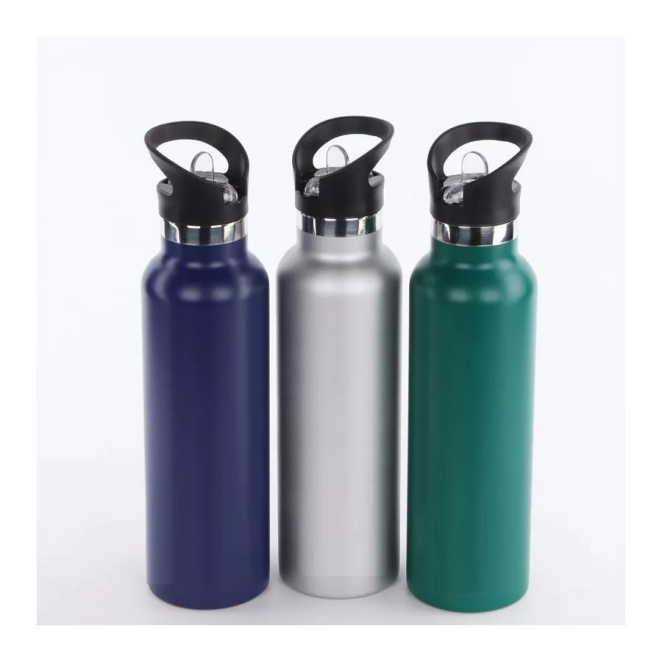
Three 20oz outdoor sports stainless steel water bottles in navy, silver and green
This article treats the search as a program-design decision, not a ranking of consumer brands. DIZHOU presents stainless steel coffee and travel mug products, but any material, capacity, insulation, closure, decoration, or performance statement must be confirmed for the selected configuration before it enters a specification or public claim.
Use the stainless steel coffee mug product example to ground the discussion in a current commercial format, then verify the chosen model's details.
What Makes the Best Coffee Mugs for a B2B Program?
Start with the channel and the moment of use. A desk mug may prioritize a stable base, open drinking experience, and comfortable handle. A commuter product may need a closure and fit constraints. Gift and retail programs add presentation, perceived value, assortment, and shelf or shipping requirements.
Write a one-sentence program objective that names the user, beverage, location, brand position, and expected service life. This objective becomes the filter for later choices and prevents an attractive sample from winning without meeting the business task.
Choose a Format Before Choosing a Finish
Define whether the program needs an open mug, handled insulated mug, travel-style mug, tumbler-like format, or coordinated range. Market labels overlap, so the specification should describe the actual body, handle, opening, lid, and intended carrying position instead of relying on the product name alone.
A single hero mug simplifies inventory and artwork control. A small family can serve different users, but it introduces more components, samples, packaging files, and inspection references. The commercial benefit of assortment should justify that operational complexity.
Translate Serving Behavior Into Capacity and Geometry
Nominal capacity should be paired with usable fill volume, height, base diameter, opening size, full weight, handle clearance, and equipment constraints. Check the mug below common coffee equipment and in the intended storage, holder, carton, or gift set.
Ask representative users to lift, drink, set down, refill, and clean a filled sample. Record balance, grip, rim feel, visual access to the interior, and interference between the handle and surrounding objects. These observations are more actionable than a vague request for a premium shape.
Treat Material and Construction as Model-Level Data
Document the body construction, inner and outer materials where applicable, lid and gasket components, surface treatment, and interfaces that affect use. An open single-wall mug and a vacuum-insulated lidded mug answer different needs, and one product-family description cannot establish every SKU's construction.
If temperature behavior matters, define a repeatable method with starting condition, fill level, ambient condition, lid state, duration, and measurement points. Do not convert one result into a family-wide promise or assume a target-market claim applies without scoped evidence.
When the scorecard reaches artwork and packaging, consult DIZHOU's product development and drinkware customization services and turn the available options into project-specific approvals.
Design Decoration Around the Viewing Moment
Map where the logo or artwork is seen when the mug sits on a desk, faces a retail shelf, rests in a package, or is held by left- and right-handed users. Define print area, orientation, color reference, finish, approved artwork, and acceptance standard for visible defects.
Decoration approval should use the real substrate and finish. Color, adhesion, feel, and line quality can change between a flat proof and a curved coated body. Retain the approved decorated sample and link it to the exact artwork revision.
Make Packaging Part of the Mug Specification
Packaging should protect the rim, handle, lid, coating, and printed area while supporting the channel. Define inserts, labels, instructions, gift presentation, carton arrangement, and acceptable movement inside the pack. Review the unpacking sequence as well as the closed box.
A packed-sample approval can reveal handle pressure, abrasion, loose accessories, or an awkward presentation that body-only review misses. It also gives logistics and marketing teams the same reference unit.
Use a Weighted Sample Scorecard
Create a scorecard with required gates and weighted preferences. Required gates can cover configuration, dimensions, component completeness, artwork, and agreed functional checks. Weighted preferences can compare handling, visual impact, cleaning access, packaging efficiency, and assortment fit.
Record evidence and observations beside each score. A sample should not receive a higher rating simply because the evaluator likes its style. The scorecard should show why the mug supports the program objective and which trade-offs remain accepted.
Control the Assortment After Approval
Assign a stable reference to every approved combination of body, lid, gasket, finish, artwork, package, and instructions. If the program has several colors or graphics, state which features share one technical approval and which need a separate visual or packed-sample approval.
Before accepting a substitution, identify which scorecard rows and public statements could change. A new lid, coating, logo method, carton insert, or instruction can alter use, appearance, cleaning, packing, or evidence even when the catalog name stays the same.
Prepare a Controlled Coffee Mug RFQ
Provide the channel and user scenario; mug format; nominal and usable capacity; dimensions and full-weight target; body, lid, and gasket configuration; drinking and carrying position; finish and artwork; packaging; target market; required evidence; sample tests; and approval owners.
Also state which details are fixed and which can be proposed. This prevents suppliers from comparing different assumptions and creates a clear path from concept sample to retained production reference.
Conclusion
The best coffee mugs are the formats that meet a defined channel, user, brand, packaging, and control brief. Select with model-level specifications, decorated and packed samples, a weighted scorecard, and visible claim boundaries. To build a comparable program, send your branded coffee mug requirements to DIZHOU with the intended use, format, artwork, package, market, evidence needs, and approval criteria.

